A code fails as a lot record when the pack is marked and nobody can open the file that explains the mark. Write the two jobs on separate lines.
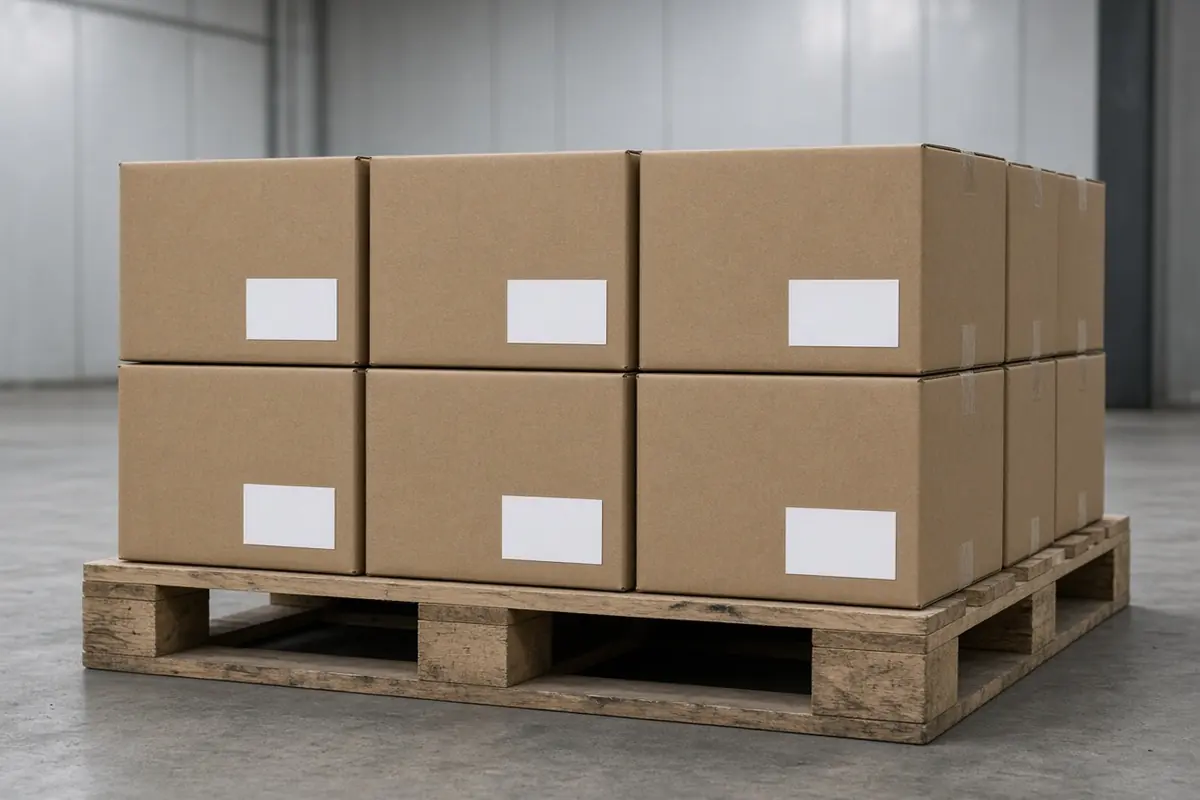
No current traceability regulation was opened for this page, so none is quoted. The 9 August 2004 study is not used here as today’s rule. Section 4 of that study lists “incorrect labeling or packaging” as a problem the panel rated highly for baked goods. That is the nearest sentence in the pages read on 14 October 2026. It does not specify a code format.
Incorrect labeling, in the words of that 9 August 2004 panel note, sat next to sanitation for baked goods. A code can be present and still be the wrong code for the lot file. The check is whether a person can open both and see one batch. This page does not describe a printer model, a ribbon, or a scan rate, because no equipment sheet was opened.
Roles
| Role | The question | A blank label is not enough |
|---|---|---|
| Mark | Who applies the code, and to which pack? | The picture of a blank label shows the space, not the code |
| Meaning | Which file says what that code refers to? | The code alone does not name the batch |
| Match | Who checks that the mark and the file are the same batch? | Two systems can drift |
| Break | What is written when the coder stops mid-lot? | Silence is not a record |
When the coder stops mid-lot, write the last good unit and the first unit after the restart as two rows. A single code that covers both runs hides the break and wastes the later search.
Start from the evidence checklist if the missing piece is a supplier file. Use the seal page if the missing piece is the closure check rather than the code. This page does not assign a legal duty.